Fintech refers to the dynamic intersection of financial services and technology. The rapid development of digital payment guidelines, policies and capabilities has substantially transformed the payments ecosystem, and it will not slow down any time soon.
The ever-evolving fintech industry opens up significant opportunities and simplifies business procedures. Transactions, purchases, banking, saving and investment processes have all changed dramatically over the past few decades, thanks to advances in the tech industry.
Although the rapidly evolving fintech industry offers numerous benefits, it also makes it critical for entrepreneurs and businesses to stay at the forefront as the payment ecosystem keeps expanding, and to adapt their businesses to the emerging trends reshaping the industry. This is where digital assets come in.
What Are Digital Assets?
Digital assets are an older asset category, established more than a decade before cryptocurrencies. Everyday digital assets include Netflix streams, cloud photos and videos, documents and much more. A digital asset can be defined as a self-contained, valuable collection of binary data with a unique identifier that does not derive from a non-digital commodity.
Digital assets surround us, and their significance grows every day. Global economies rely heavily on the digital sector, as digital assets have virtually limitless development potential in a world of limited resources.
A new economic paradigm is already emerging as digital technologies such as blockchain, artificial intelligence (AI), the Internet of Things (IoT) and augmented reality (AR) combine with other elements of the industrial revolution, including 5G, robotics, 3D printing and drones. This has opened the space for a digital asset that could serve as a global standard, with a universal benchmark and store of value. The Banque de France and Meta's Libra were among the initiatives exploring digital currencies.
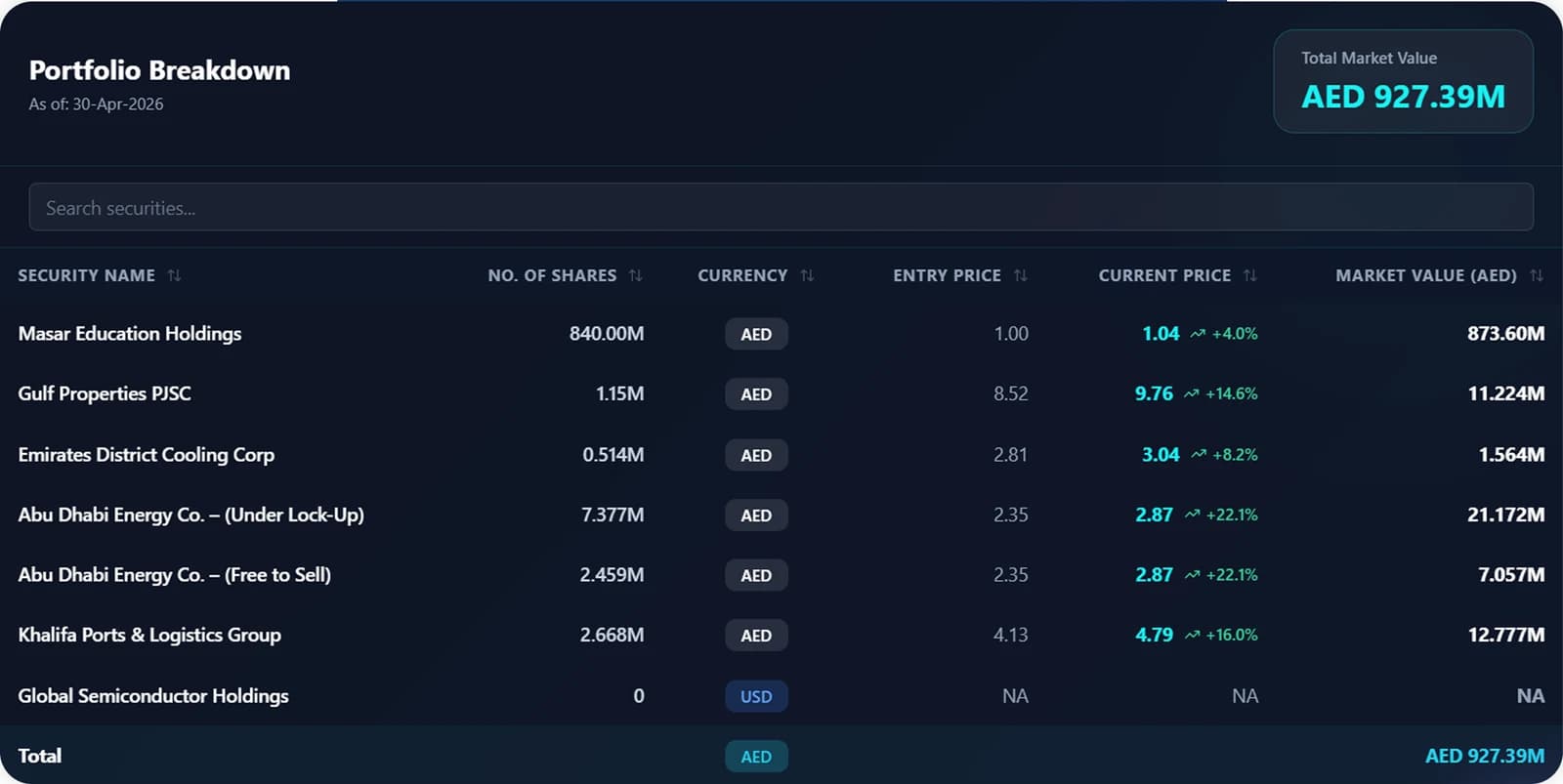
Types of Personal Digital Assets
Personal digital assets include a variety of items, including the following.
1. NFTs
NFTs have emerged as a new foundation of the digital economy in the investment ecosystem. One of the most talked-about digital assets, non-fungible tokens are similar to real-life art projects and can represent music, art, films, pictures or gaming avatars. An NFT carries a certificate of authenticity produced by the blockchain technology that also underpins several cryptocurrencies. Since their inception, NFTs have adapted to the fintech revolution and become an alternative way to buy and trade digital artwork.
2. Blockchain
The technological solutions that enable digital assets are called blockchains. A blockchain lets a peer-to-peer network store information securely. It is a replicated public database, shared by many computers, to which new entries can be added but existing entries cannot be changed.
Industries use blockchain heavily in areas including insurance, funds and stock trading. With the help of machine learning, big data and artificial intelligence, blockchain has decentralised systems and reduced the risk of large-scale economic crises. It has also laid the groundwork for emerging technologies in digital finance, as it offers immutability, transparency and data protection.
3. Cryptocurrency
The MENA region has made significant advances in digital assets with a host of new legal measures, and cryptocurrencies have become widely accepted in a very short time. Governments are taking the lead by introducing new laws, recognising that these digital assets will continue to grow in value.
Uses and Applications
Each of these digital assets has its own uses and applications. The table below summarises some of the most popular ones.
| Digital asset | What it is | Common uses |
|---|---|---|
| NFTs | Unique tokens with a blockchain certificate of authenticity | Digital art, music, films, gaming avatars and collectibles |
| Blockchain | A shared, append-only public database | Insurance, funds, stock trading and secure record-keeping |
| Cryptocurrency | Digital currency secured by blockchain | Payments, trading and regulated virtual asset services |
Digital assets can change ownership across decentralised networks without intermediaries, enabling faster and more affordable transactions, even globally. Converting physical goods into digital assets through tokenisation could therefore dramatically transform how we trade value. This decade, digital assets are expected to be a primary driver of sustainable economic growth.
Key Takeaway
As digital assets become embedded in the world's financial systems and continue to disrupt fintech, keeping up with the latest policies and regulations is crucial for any ecosystem player that wants to lead.