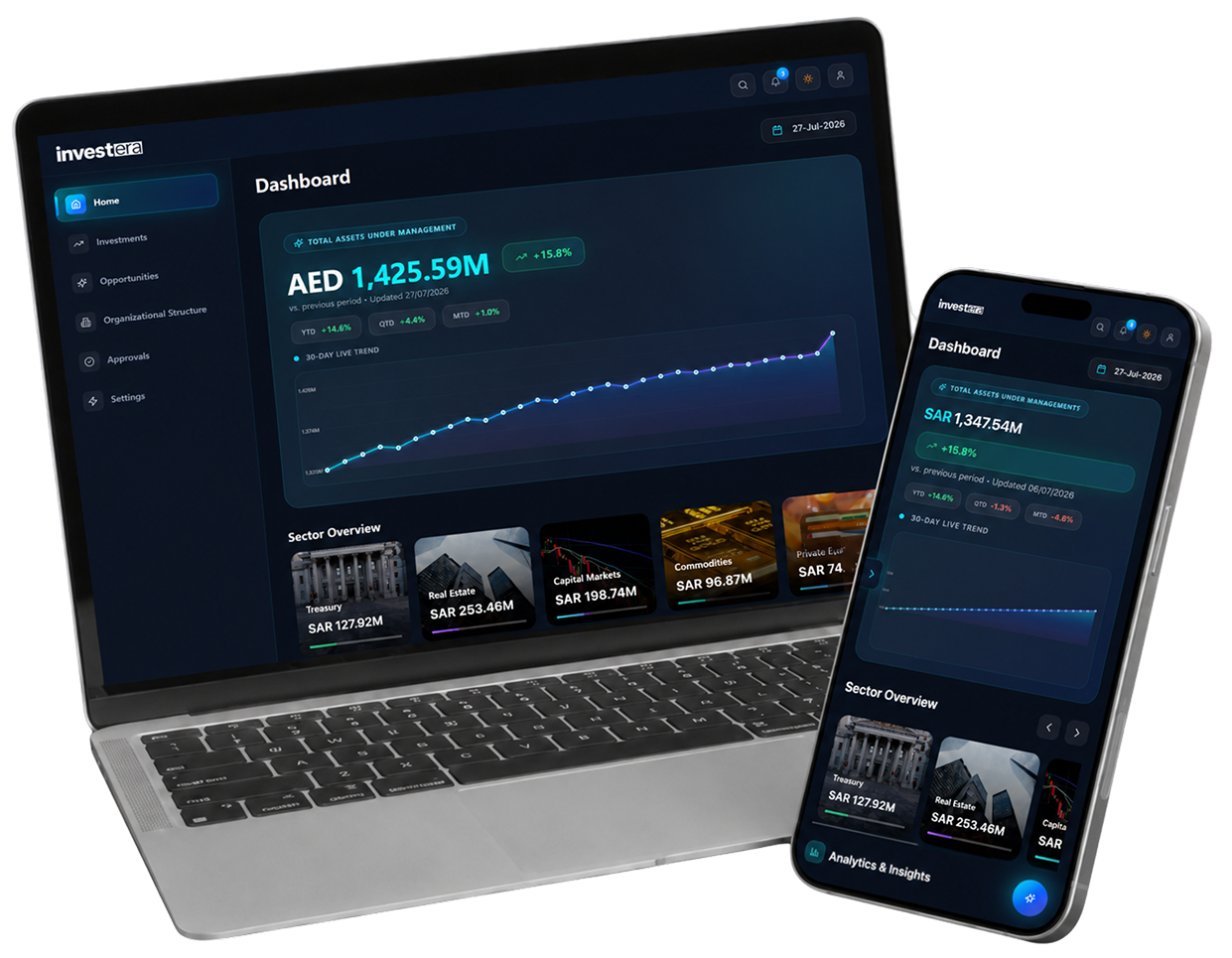

The dominance of family-owned businesses is more visible in the MENA region than in any other part of the world. Well-known family businesses in the region include Majid Al Futtaim, Al Ghurair, Al Ajlan, Al Olayan and many others, operating across investment and banking, retail and industrial services.
One of the main reasons these businesses are so dominant is their long history of trade in the region. At a time when digital technology was not yet common, visionary entrepreneurs and well-known tribal figures led the market. Another reason is the strong culture of unity in long-established family organisations, where business was built on family ties that last to this day.
90%
of companies in the Middle East are family-owned
~80%
of the region's GDP is generated by family businesses
10,000
family offices worldwide, half formed in the past 15 years
Source: EY
The rapid growth of wealth worldwide can be traced to the spread of family-owned businesses and the growing number of ultra-high-net-worth individuals (UHNWIs). According to EY estimates, around 10,000 family offices exist around the world, and half of them were formed in the past 15 years.
Why Growth Is Harder Than It Looks
Despite the rapid growth of family-owned businesses in MENA, running them is not as easy as it may seem from the outside. Their success could reach even greater heights, but it is held back largely by the practical difficulty of administering investment portfolios and funds across multiple sectors from a single family office. Managing generational wealth, and keeping it growing as business sectors constantly advance, is a demanding job that requires significant resources. Some of the challenges family offices in the MENA region commonly face include the following.
1. Succession Planning
69%
of family offices in the Middle East and Africa have no standard succession or growth plan
Source: PwC
According to a PwC survey, 69% of family offices in the Middle East and Africa have no standard succession or growth plan, which can lead families to lose their wealth by the third or fourth generation because business matters are left unregulated. Succession planning challenges are one of the biggest threats to family offices in this region, more than in any other part of the world. Reasons include a growing number of heirs and family members, each with their own vision and plans.
Family offices are therefore strongly encouraged to set a formal succession plan and clear governance structure that includes all board members and investment professionals. This bridges the communication gap between decision-makers and business units, resulting in a more comprehensive and effective vision for the future.
2. Bridging the Generation Gap
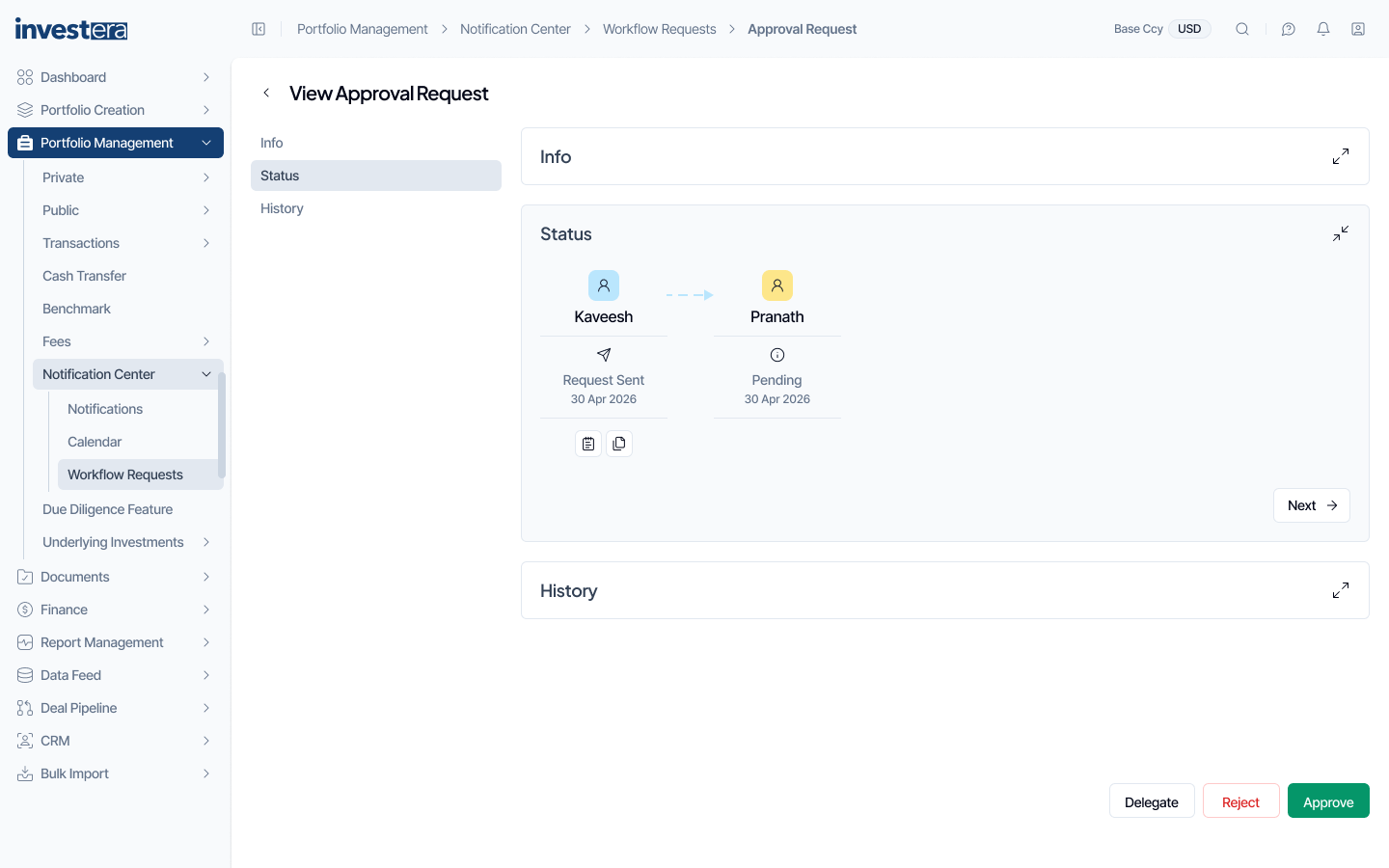
When an effective succession plan is in place, bridging the generation gap between the heirs of inherited wealth becomes easier. The generation gap is one of the most prominent challenges facing members of family offices. Because the wealth or business is inherited, many members want to keep running it "as it is" and "preserve the legacy", rather than adapting to new trends or refining the company's core values and goals.
3. Making Peace with Technology
Another strong challenge in managing family office wealth is making peace with technology. Technology plays a major role in running family offices and managing their wealth. Despite the many benefits of systematic, automated work, the generation gap resurfaces here too: family members span different age groups, and their uneven interest in, or need for, technology can stand in the way of a proper succession plan and a shared vision. Some heirs from older generations are not tech-savvy or may not fully appreciate how essential it has become, especially in the world of numbers and investments.
4. Growing Accounting Complexity
Facing increasing accounting complexity as investments and asset classes multiply over time is a challenging, day-to-day job. With an overflow of tasks, multiple portfolios to manage, large volumes of data and complex accounting requirements, the chance of error rises, which can result in significant losses of money and time.
50%+
of family office expenses in 2022 were internal operating costs
Source: UBS
58.6 bps
operating cost for family offices with USD 100–250 million in assets
Source: UBS
According to UBS reports, internal operating costs accounted for over half of total family office expenses in 2022, varying with the size of the assets. For family offices with USD 100 million to USD 250 million in assets, for example, operating costs can reach 58.6 basis points.
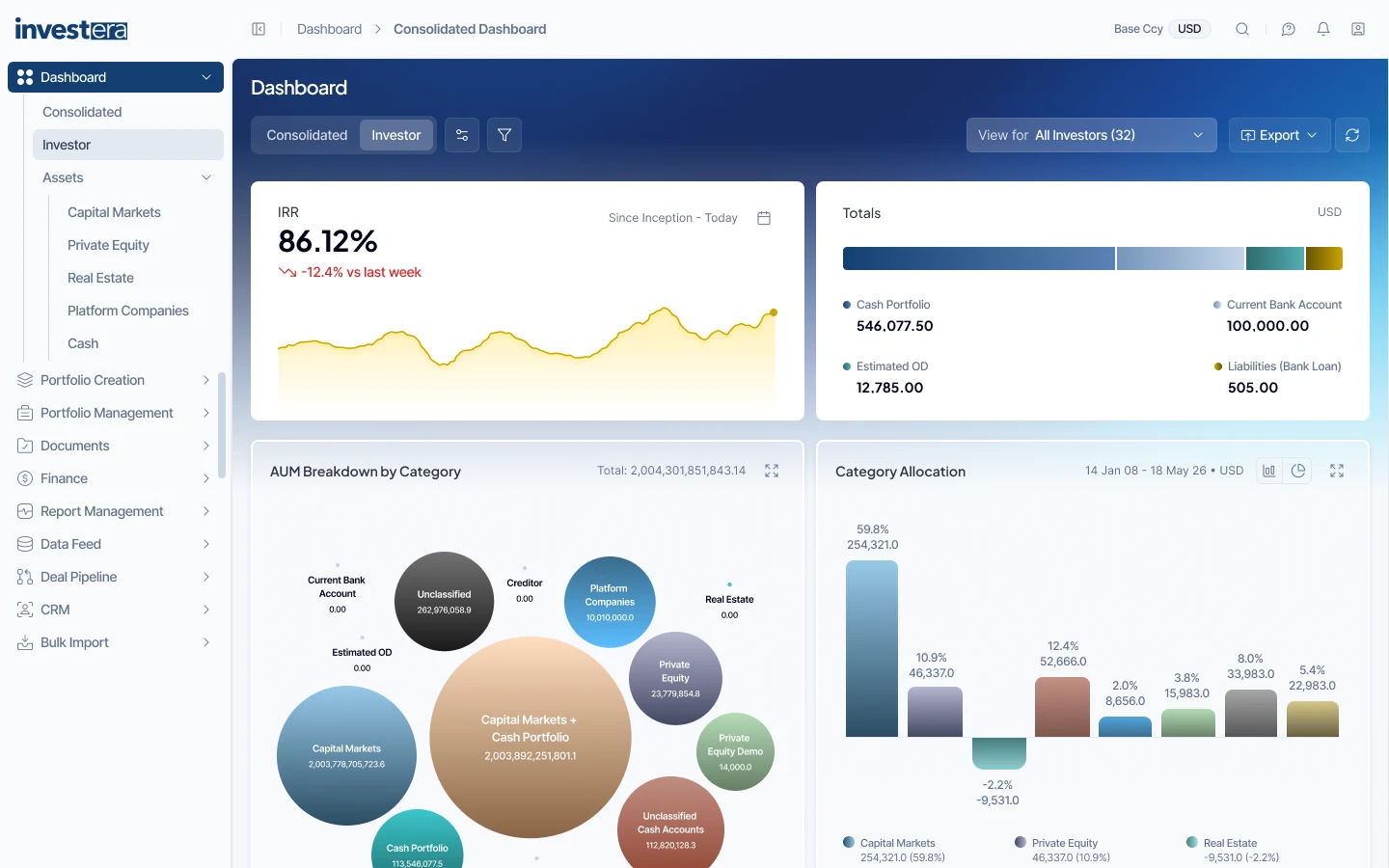
Task automation, robo-advisory and the deal pipelines that smart platforms provide can deliver more accurate information while saving time and cost. Research shows that many family offices increasingly face uncertainty in the financial markets, which is also linked to the complexity they deal with and a lack of visibility or solid ground to stand on.
5. Security and Confidentiality
Another issue that can result from a weak relationship with technology is security. Managing years of accumulated wealth, monitoring investments and tracking financial holdings is always at risk of fraud and data breaches. Such data must be held confidentially, and this remains a concern for many investment offices. Without high-end cybersecurity, this information is always at risk, leading to losses of not only money but also opportunities.
Conclusion: Embracing the Digital World
Family offices and their representatives must embrace the fast-paced, "untraditional" digital world we live in and move away from the idea that change means "risking the legacy". Adopting disruptive technologies such as blockchain and artificial intelligence is crucial to resolving almost all of the challenges they face. Implementing smart end-to-end ERP systems or AI-based business intelligence (BI) software can take investment and wealth management to a different level.
There are many smart investment management platforms available, such as Personal Capital, Investera Pro and many others. This software can help family offices meet their needs, handling multiple asset classes from private equity to public securities. At the click of a button, these technologies can manage fund workflows and transactions automatically, generate reports, build structures for growth, and even help investors see where they stand and how far they can grow within a given period, using dynamic dashboards and robo-advisory tools.
Key Takeaway
Succession, generational change, technology adoption, accounting complexity and security are the defining challenges for MENA family offices. A connected investment platform addresses them together.