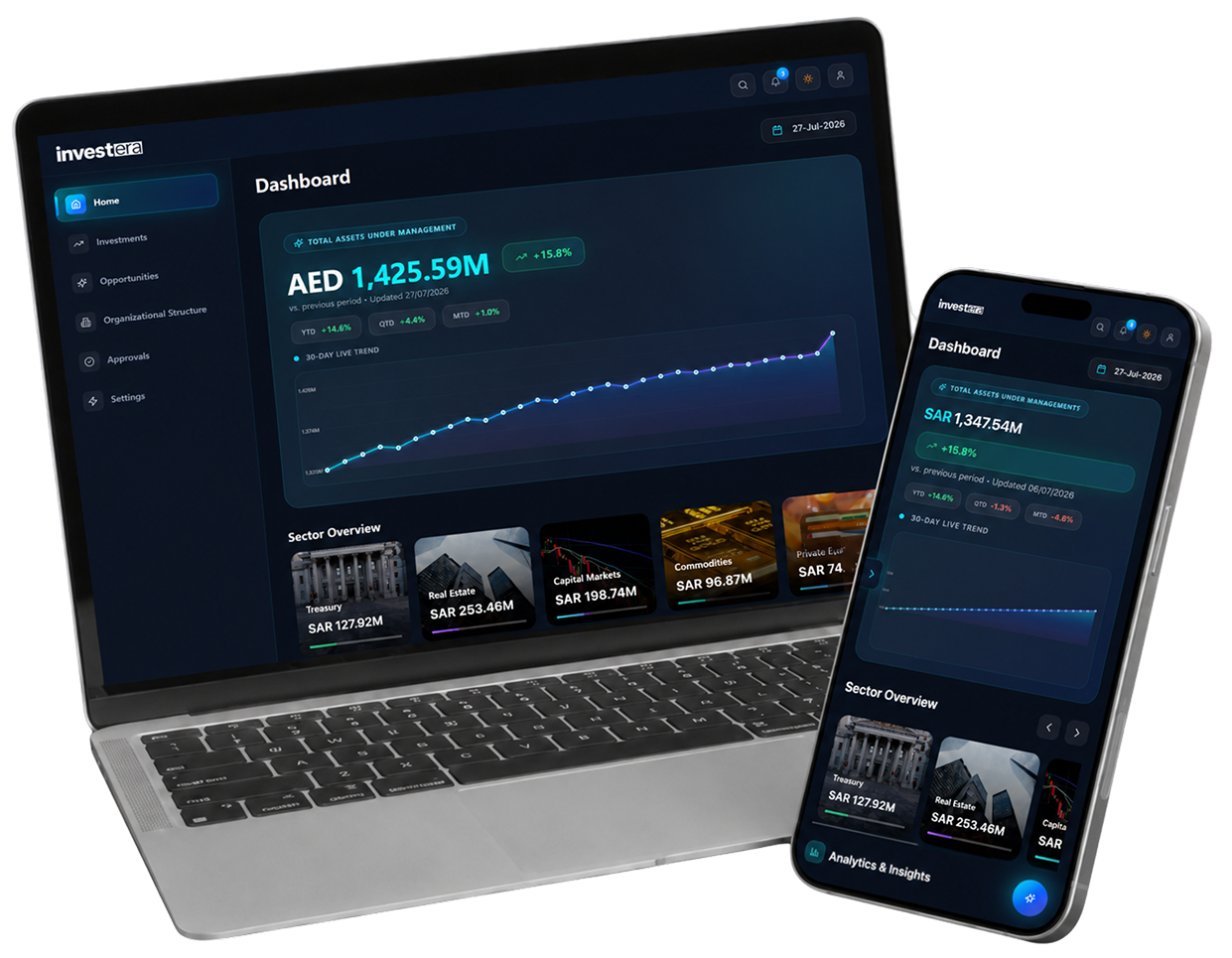

PropTech, short for "property technology", is a broad term for the many emerging technologies in the real estate sector, such as property management software, smart home devices and tools enabled by the Internet of Things (IoT). These technologies are also known as real estate tech, retech, realtech and CRE tech.
All of these technologies are designed to make deal sourcing, transaction processing, property management and customer service more efficient. In short, PropTech is where real estate and technology meet.
PropTech has become an innovative driver of disruptive technology, a solution for real estate professionals struggling with piles of paperwork, and a high-yield asset class for investors seeking opportunities. Over the last decade, real estate technology has evolved rapidly with the emergence of artificial intelligence (AI), augmented reality (AR) and virtual reality (VR). These advances meet the needs of real estate developers, operators, owners, tenants and investors. Property owners and operators can use real estate technology to manage their assets more effectively, as it reduces paperwork, simplifies transactions, enhances property management services and maximises operational efficiency.
$18.2bn
global PropTech market size in 2022
$86.5bn
projected market size by 2032
16.8%
compound annual growth rate (CAGR)
The PropTech market is expected to grow from $18.2 billion in 2022 to $86.5 billion in 2032, a CAGR of 16.8%.
In the past few years, real estate brokers have increasingly used VR to give prospective buyers virtual property tours. Buyers can view properties from the comfort of their homes and pre-screen their options before visiting in person.
Examples of disruptive real estate technology include investment platforms that connect investors with real estate assets, and property management platforms for residential, office and retail properties. Founded in 2008, Airbnb, one of the earliest real estate technology companies, operates an online marketplace for short-term homestays and experiences, and has achieved huge success with listings in more than 220 countries and regions.
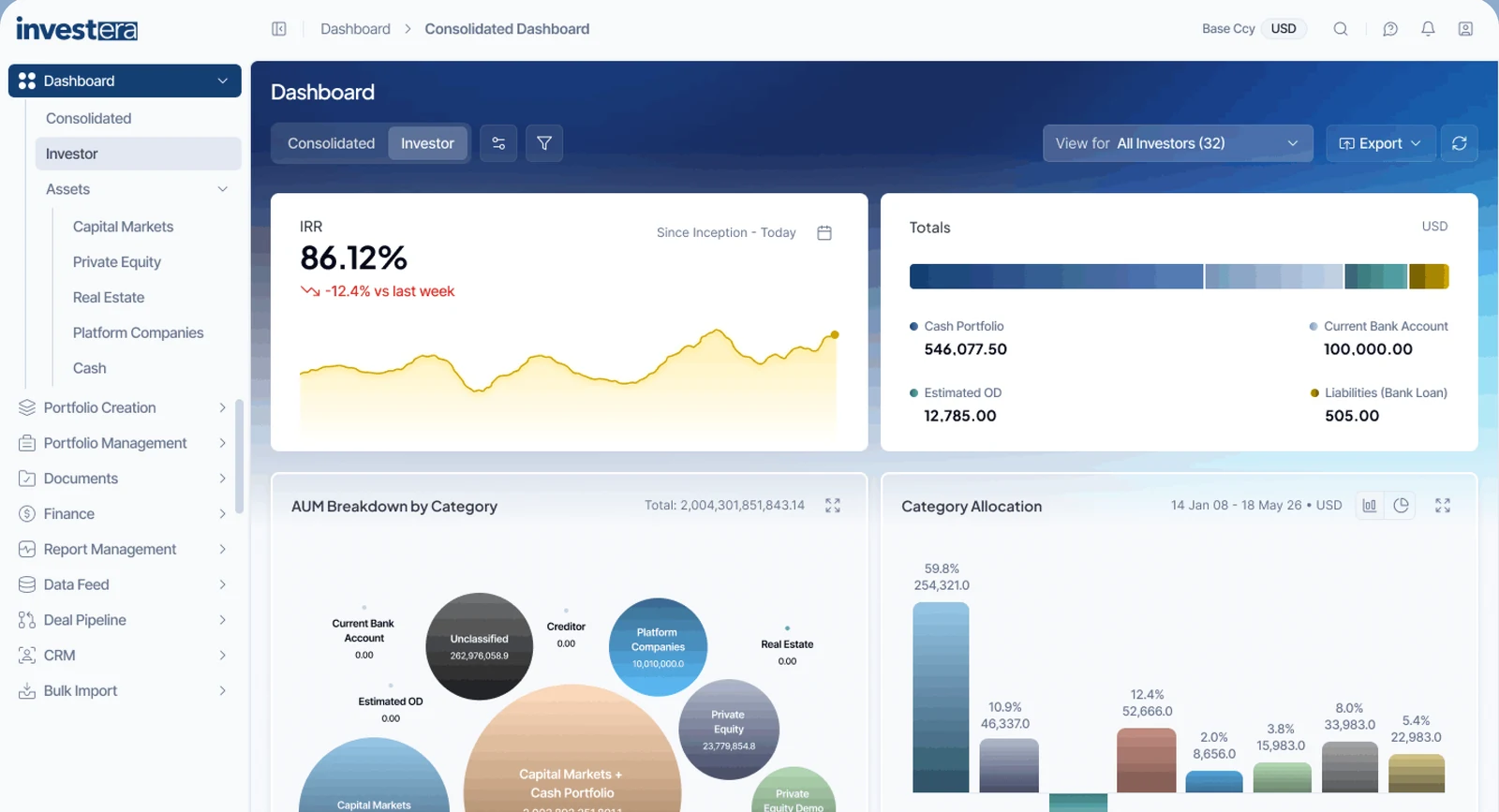
How PropTech Connects with Other Industries
- Shared economy: any PropTech platform that offers shared use of a property, such as short-term rentals. Airbnb and WeWork are among the top players driving the sharing economy in the PropTech market.
- Smart real estate: internet-connected devices and appliances (IoT devices) that enable remote monitoring and management of smart homes. Amazon's Alexa, Siemens' smart kitchen appliances and Philips' intelligent lighting systems are well-known examples.
- Fintech: technology that makes financial services easier to access for customers and businesses. Real estate fintech focuses on the financial processes of the property industry. US-based home marketplace Zillow is disrupting PropTech as a fintech provider, simplifying home buying with faster transactions, lower costs and greater volume.
- Construction technology: modern materials and sustainable approaches, such as drones, Building Information Modelling (BIM) software and 3D printing, used to build real estate assets. OpenSpace, for example, is an AI-driven photo documentation tool that automatically creates navigable images of construction sites from cameras attached to workers' helmets.
PropTech in the MENA Region
Over the last decade, the MENA region has shown high potential for deploying AI across real estate. In 2022, Realiste, a leading AI-based real estate development start-up, expanded into the Middle East, incorporating cutting-edge technology across its operations. The company's mission is to digitise every major city's real estate market while providing free appraisals and tailored services.
In 2021, leading PropTech platform Property Finder introduced MENA's first AI-driven agent rating system, "SuperAgent", supported by its Agent Data Assistant (ADA). ADA is an internal data platform that combines agent responsiveness, listing quality and agent reports to help buyers find relevant brokers.
Although MENA has been slower to adopt and invest in PropTech than leading markets such as the US, China and Europe, there are numerous opportunities for growth, and investor and entrepreneur activity has risen sharply since 2018. The UAE and Saudi Arabia lead the region's PropTech activity, and the UAE is recognised as its PropTech innovation hub.
100,000
coders to be trained under Dubai's national programme
1,000
digital companies to be established over five years
Dhs4bn
start-up investment target, up from Dhs1.5bn
In 2021, Dubai launched a national programme to train 100,000 coders and establish 1,000 digital companies over five years, aiming to increase start-up investment from Dhs1.5 billion to Dhs4 billion. With initiatives like these, government support for digital transformation is likely to be the main driver of PropTech growth in the country.
Eltizam Group's technology division, EAST-O Holdings, recently launched PropEzy, a cloud-based software-as-a-service (SaaS) platform for managing customer experience and optimising operations in the region's real estate management sector. The UAE-based app brings the technology platforms used to manage the built environment into a single integrated product, reducing costs and increasing ROI for asset owners and operators.

Metaverse and NFTs
Metaverse technology and NFTs are also expanding in the region. In 2022, Dubai-based Union Square House (USH) announced plans to launch MENA's first metaverse mansions, selling luxury properties as NFTs with or without physical counterparts. Digital versions of the properties would be available in the metaverse as places to relax, entertain guests or decorate. This sits alongside Dubai's Metaverse Strategy, which aims to add 40,000 jobs, making the metaverse an increasingly important consideration for real estate developers in MENA's PropTech environment.
AI in Valuation and Transactions
AI applications are growing every day in MENA's real estate market, accelerating growth and innovation in the region's PropTech industry. These include solutions that improve property management and support transactions and valuations. One example is the Dubai Land Department's (DLD) use of AI in valuing real estate assets. Through its smart channels, website and Dubai REST app, DLD is expanding its digital services, fostering digitisation and bringing greater efficiency and transparency to real estate operations. In 2021, DLD launched electronic no-objection certificates (e-NOCs) to reduce costs and speed up the process. Big data analytics is also on the rise, helping architects with initial design concepts and iterations.
Smart Buildings and Smart Cities
The MENA region is known for its enthusiasm for smart buildings and smart cities, projects that often involve PropTech. Smart buildings gather and analyse data to future-proof structures within cities, often with IoT devices and appliances that automate, regulate and deliver essential utilities. Saudi Arabia's NEOM is a prime example of AI in PropTech: its development uses AI to operate machine-executable legislation, conduct inspections and provide projections and insights for data-driven decisions.
Dubai's Expo City is another project that puts PropTech in perspective. Its Internet of Things ecosystem uses a wide range of sensors, systems, gateways and building management applications that collect data across the site. After automated analysis, the system makes decisions on its own, maintaining ideal conditions for water use, air conditioning, lighting and energy consumption.
Outlook
Although the industry has adapted quickly and the outlook is positive, PropTech is still in its infancy compared with other technology markets such as fintech. With a focus on smart, virtual and contactless technologies, PropTech trends are expected to accelerate in the coming years.
Key Takeaway
PropTech companies in the MENA region have a chance to capitalise early by identifying and closing market gaps and developing relevant solutions for regional markets.